Gardening & Writing: Amazingly the Same
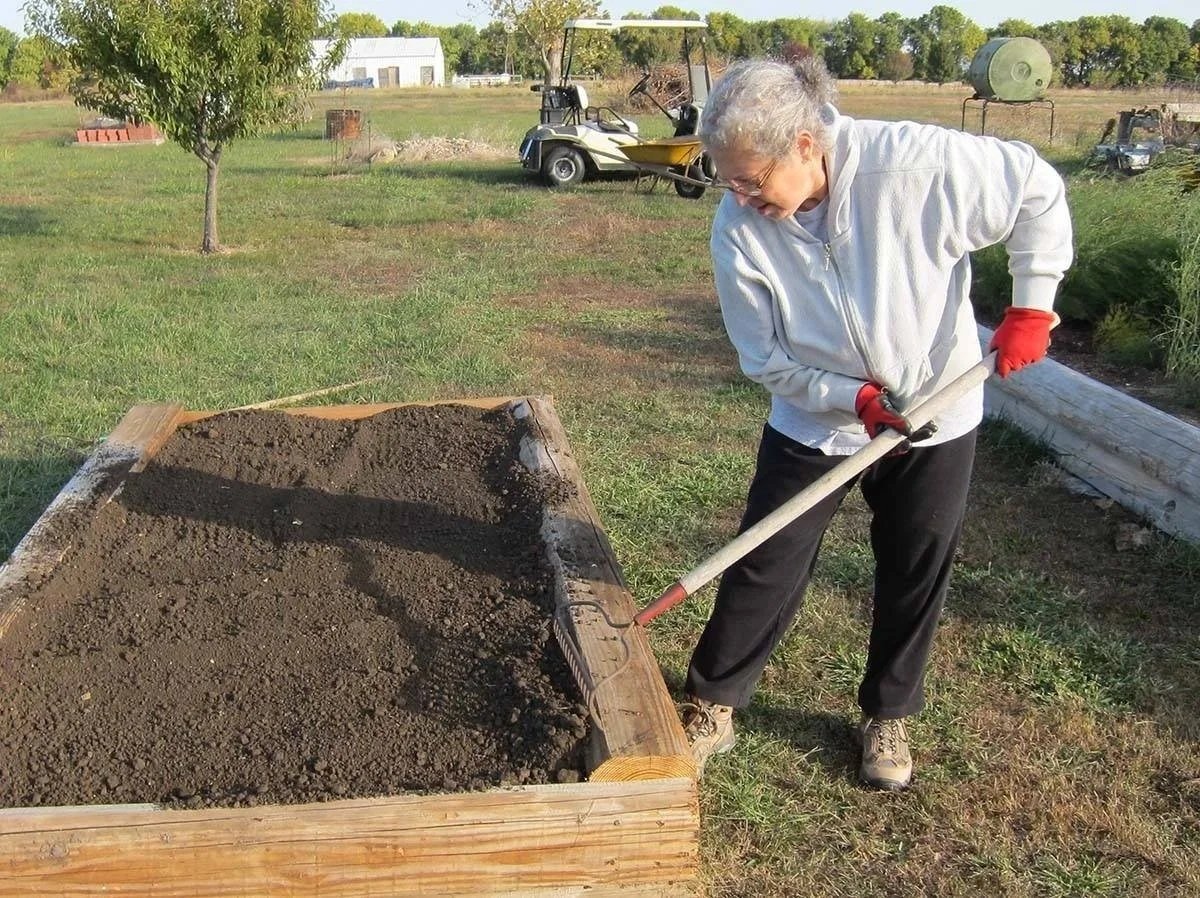
Patient Preparation
Back when I decided to leave corporate America for an acreage in rural Kansas, the person taking my job gave me a farewell gift, a plaque that read, “If you have a library and a garden, you have everything you need.”
I amended “library” to “PC.” I mean, the library is a given. Right? I intended to spend this next part of my life trying to live out my childhood dream to write novels. But spending all day every day inside felt unhealthy. So, I made gardening my hobby.
Imagine my surprise on discovering how much writing and gardening demand the same skills and mindset.
Seeds to Vegetables, Premises to Scenes
For years, I watched my next door neighbor till his soil (he had a tractor) and plant seedlings, only to repeat this effort when spring rains rotted his baby plants.
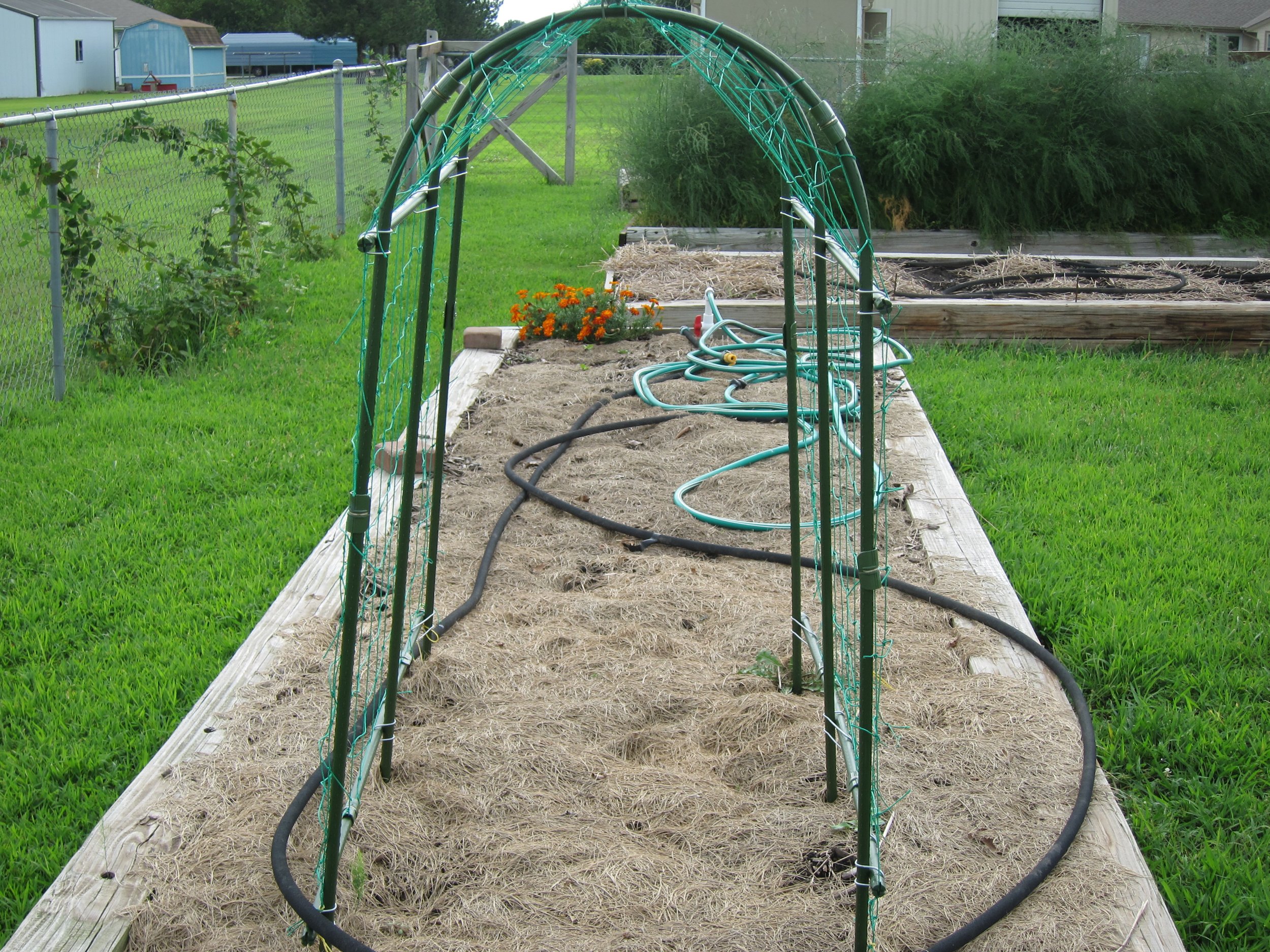
Thinking I knew the solution to the rain flooded garden, I had my husband build raised beds, then brought in topsoil.
Prepping the soil was hard work, but also hard was deciding what to write. Did I have a worthy premise to become a novel?
If you’ve followed me from the start, you already know that early on I switched to short fiction. Rather than drowning myself with the ins and outs of a novel, I
decided (somewhat naively) that starting with short stories would be easier.
It turned out, though that my raised beds idea worked. I only planted once each season despite the spring floods.
Choosing short fiction also ended up being the right direction for me. I wrote 30 plus short stories that first year, and of these, six were eventually published.
Seeds
The gardeners among you have read the backs of seed packets. Right? The ones that say things like, “Start inside six weeks before last frost.” I had no clue, but quickly acquired a metal shelf, fluorescent lights, tiny fans for each shelf, seed starting soil, and trays.
Problem was my seeds would sprout but then “damp off.” For non-gardeners, it means the plant died. While there’s a double handful of solutions to damping off, the one that worked for me came not from research but a friend. She said, “Water with chamomile tea.”
I did and ended up with live plants. So, here’s a gardening hack. Chamomile is an antifungal. Whatever bad stuff crept into the seed starting soil will be neutralized by this tea.
Premises
I walk through life telling stories to myself. I always have. When I take a drive, I foresee an accident. I walk into dark rooms prepared to fight monsters. Cooking or baking leads to house fire scenarios. If I climb a ladder or a hill, who knows? I might fling myself into the abyss. (More on how I started writing horror in the February newsletter).
One of my favorite horror stories ( Last Girls Club Issue 9), Fluttering, came from a real-life infestation of pantry moths.
My problem is choosing marketable premises. Of course, I’m in the horror and dark fantasy camp, but some things go way beyond those genres. I have a pile of story starts that turned into something too terrible to write. I don’t want to injure my readers’ psyches. My point being that even if I think of a hundred premises a day, I have to think about what my readers might enjoy.
The End Result
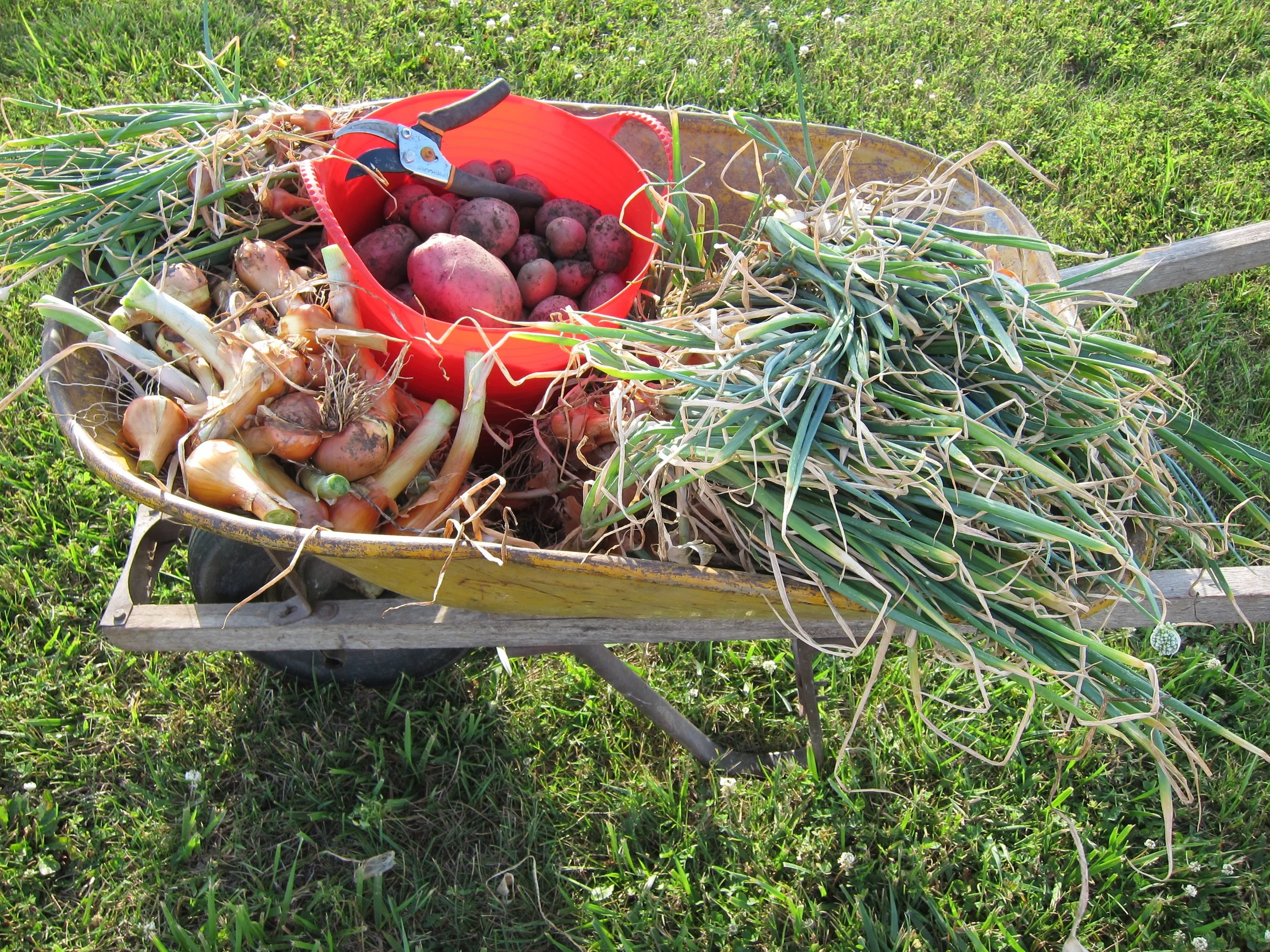
The end result in both gardening and writing, depends on how you begin. If you want luscious produce, if you want a story that sticks with readers, pay attention to starting with strong seedlings and a solid premise.
Next Month
Planting and drafting might as well be the same thing. Ditto for weeding and editing. Look for the blog on February28, 2026.
