Writing a Short Story?
Something Has to Happen
One of the many things I learned while reading “slush” for three years, was this. It’s not enough to describe a character, no matter how interesting. Flowery language, even when describing strong emotions., isn’t enough. When writing a short story, something has to happen.
Short stories, like novels, have a beginning, middle, and ending. Focus on the story arc, the transformation of the characters or situations from where your tale starts to where it ends.
Step 1 - Start with a Strong Hook
Your point-of-view character must want something. There must be obstacles to getting it, and the journey from here to success (or failure) must draw the reader in. If the first lines set the tone, if it sparks the reader’s curiosity, you’ll have “hooked” your reader.
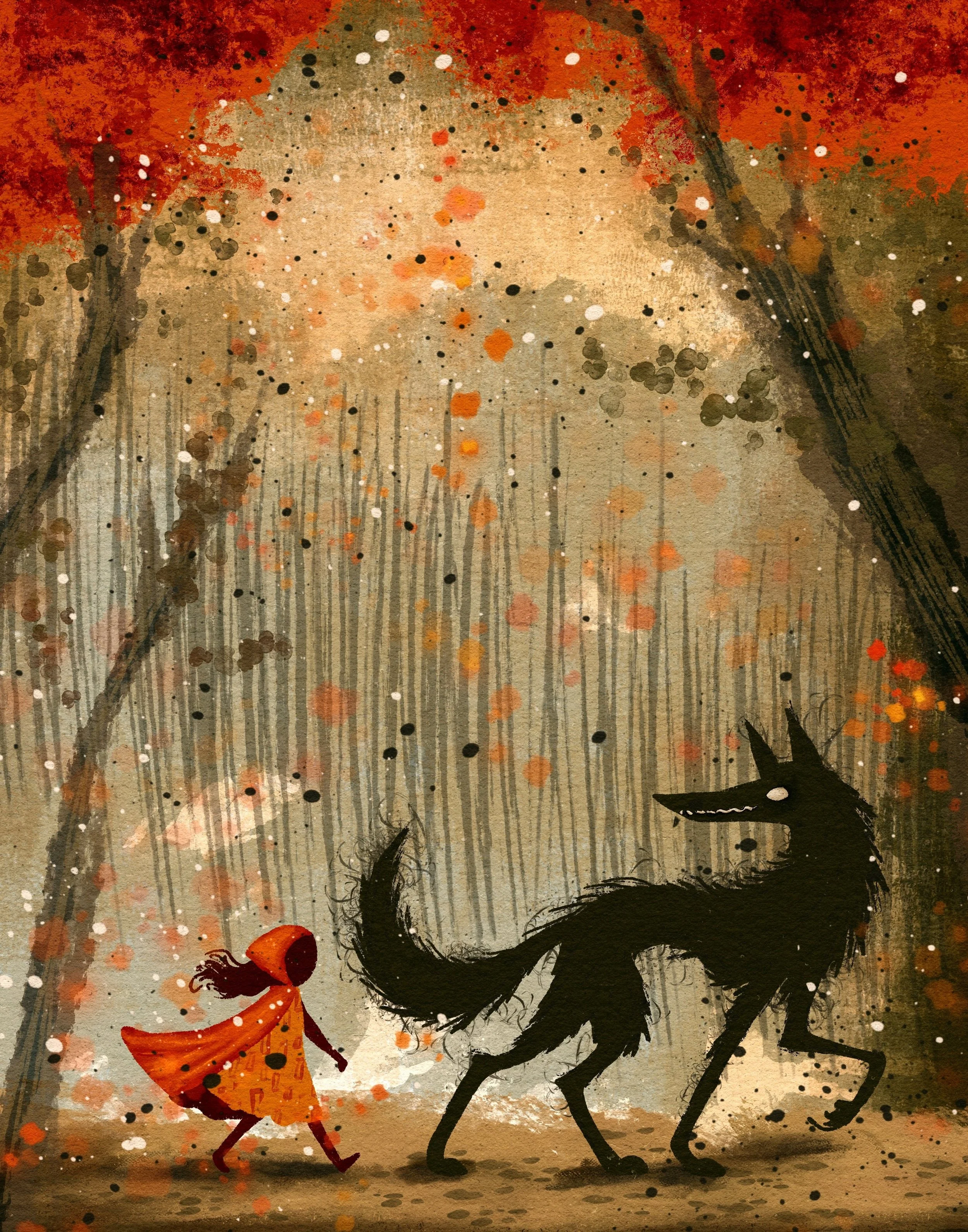
In Little Red Riding Hood, Little Red is tasked with taking goodies to grandmother, and warned to follow the straight and narrow path, no matter what.
The reader just knows something else is about to happen.
(Image by Betidraws at Pixabay)
Summer Work
In this short story, Sal begins by saying, “On a Tuesday in May, I decided to find work.” It’s something we all have done, and many of us have found the task fraught with difficulties. The reader just knows Sal is in for a difficult time.
Thursday’s Child
By contrast, Eliza Becher begins her story by saying, “Grandad calls me and my twin brother, Josh, to his bedroom where he sits amid his books, his crystals and cards, his wands and pentagrams. He believes himself a sorcerer.” The reader knows there must be something wrong—and creepy—about granddad. What will Eliza do about it?

Image by Mike Delis at Pixabay
Focus on a Single Core Conflict
Whether you’re writing a six-hundred words or six thousand, you must fit a beginning, middle, and ending into that space. You don’t have the luxury of eighty plus thousand words to spin linked stories (also known as subplots). Choose one central conflict and go deep. Every scene, every discussion, every description should serve your core premise, and build toward that inevitable conclusion.
A Memorable Ending
Write an ending that sticks with the reader. Whether the climax of the story is definitive or open-ende4d is up to you, but make it powerful.
In some versions of Little Red, she and grandma are both eaten by the wolf, but saved in the nick of time by the doughty woodsman. Is it an inevitable ending? Little Red disobeys her mother and wanders off the path, but she doesn’t deserve to make the wolf’s lunch. Does she?
In Thursday’s Child, Eliza decides to follow a path both permanent and final. She can never back away from her decision. Sal, on the other hand, leaves the future open to fate.

Image by majabechert at Pixabay
In Summer Work, Sal must choose between her job and her family. It’s a touch choice, because survival might well depend on keeping that job.
To write an ending that sticks with the reader, the ending should linger in the reader’s mind. This doesn’t always mean tying up every loose end—sometimes an open or ambiguous ending can be more powerful. Aim for a final moment that feels inevitable yet surprising, leaving the reader with a lasting emotional or intellectual impression.
And Even When You Get It Right
The short story market has always been tough. If you’ve got a short story you believe in, keep submitting. It may take multiple submissions to multiple venues to find the right editor for the right zine or anthology.
