Are You (Still) a Reader?
I learned to read in the third grade. Yes, I was a late bloomer. I didn’t get Dick and Jane at all.
But then, someone gave me a Nancy Drew mystery. Something clicked and I discovered the meaning of those squiggles on a page, moving from the lowest reading group to the highest.
During my single foray into Girl Scouts, a two-week overnight camp at age ten, I was offered a break from all the scouting activities. A new friend lent me George Barr McCutcheon’s Inn of the Hawk and Raven.
I read every chance I got and cried (quiet, private) tears when I returned the book to its owner. I spent the next thirty years looking for a copy.
Yes, I finally found one.
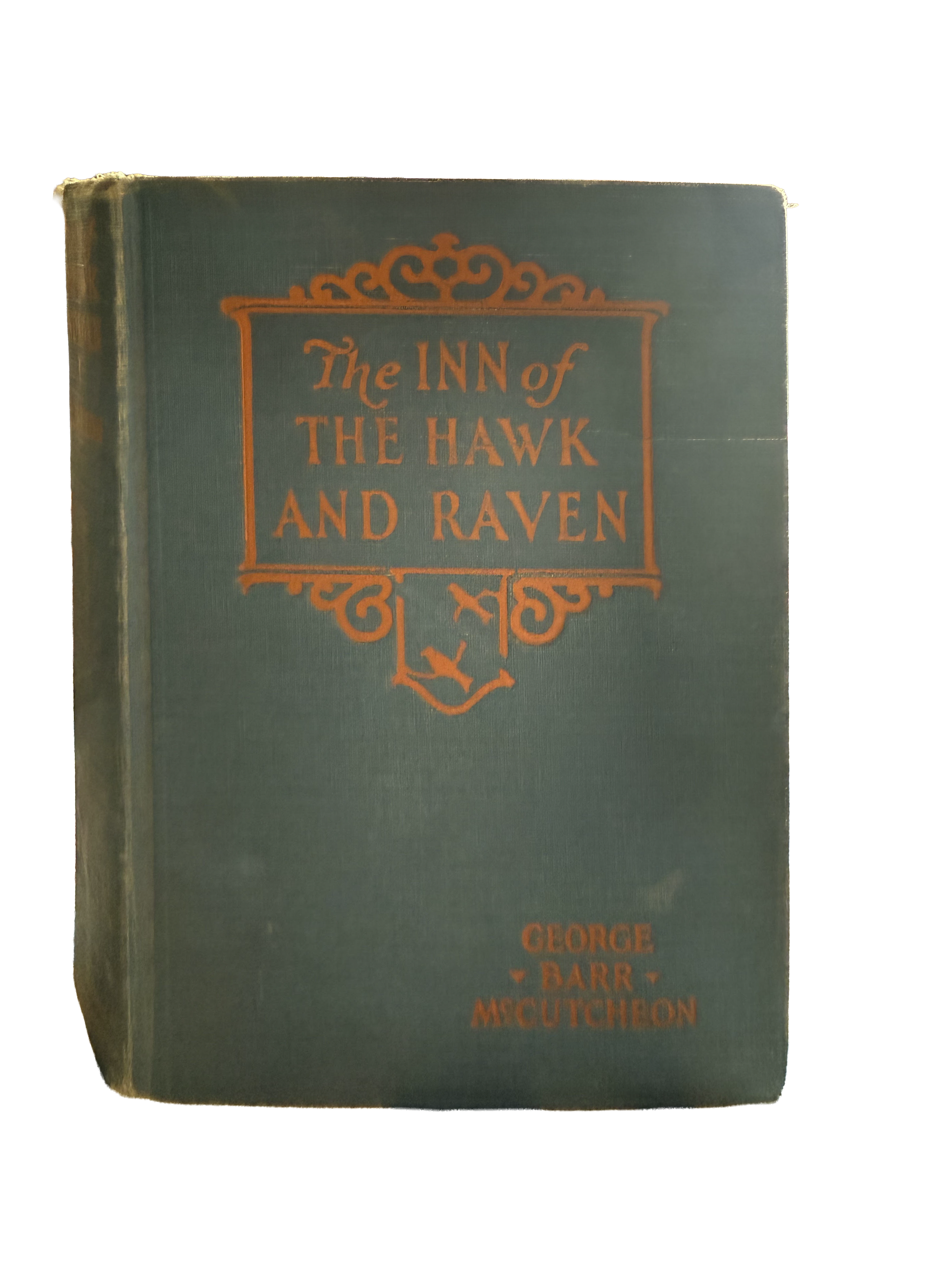
Thanks to Gordon Lamb for making this photo of my book possible.
I picked up my mom’s habit of reading Georgette Heyer and Barbara Cartland in spare moments, and my dad’s more deliberate habit of reading Robert Heinlein, Isaac Asimov, and Arthur C. Clark for hours on weekends. I was a reader.
I read way past bedtime, under the covers, with a flashlight.
By age twelve, I was writing a novel.
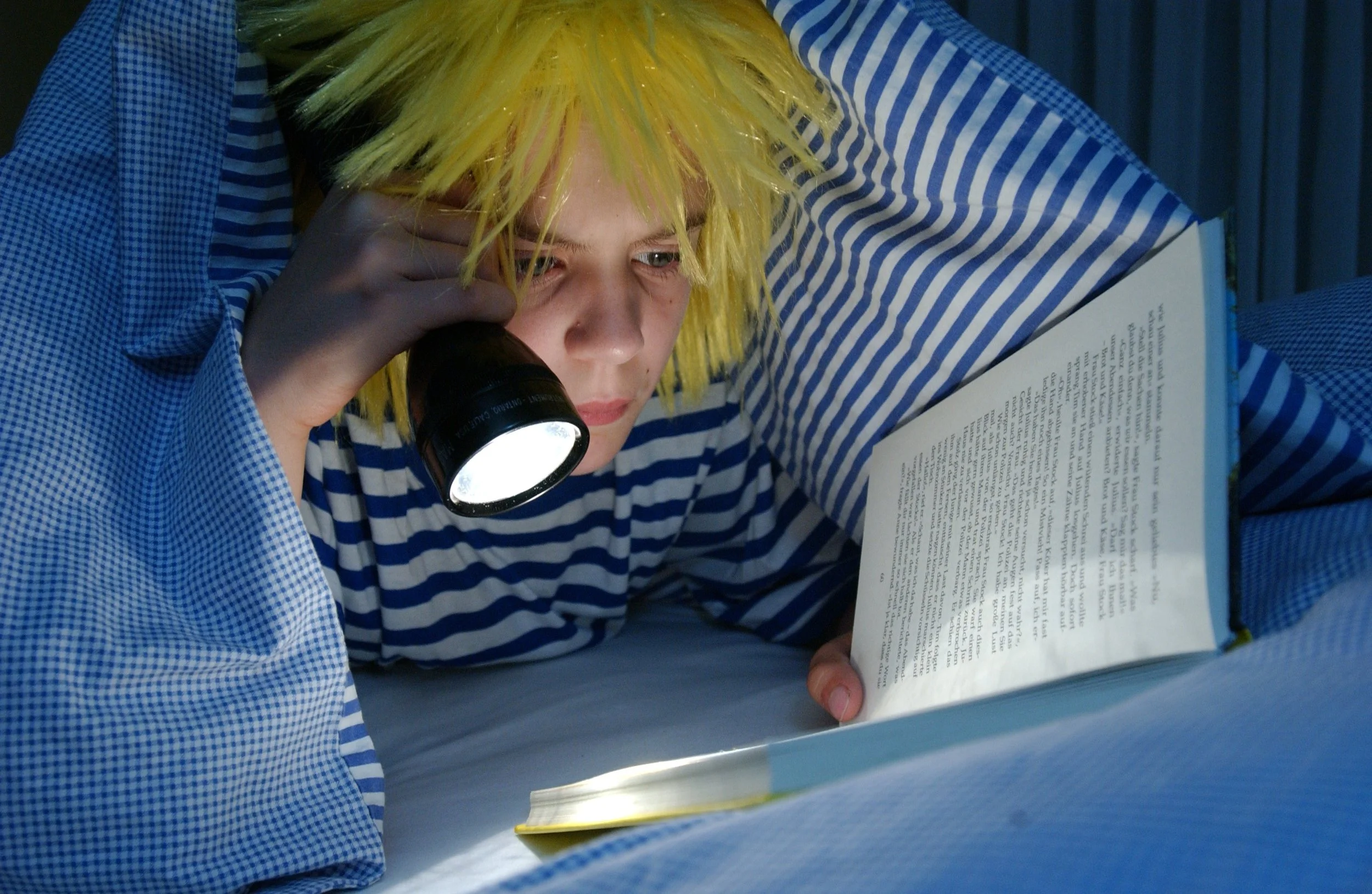
Image by Thomas Tangelder from Pixabay
Is the Age of Reading Over?
Imagine my dismay at the title of Rose Horowitch’s latest piece in the August 2026 Atlantic. The article confirmed what I already believed. People, especially young people, have stopped reading. Here’s one statistic from Horowitch’s article: “Reading for pleasure fell from 28 percent in 2004 to 16 percent in 2023.”
Ouch.
The scary part is that Horowitch frames this steep decline as a global cultural turning point. We’ve devolved into a “postliterate” era, one in which reading to learn and reading for pleasure are no longer common skills.
For writers who took the role of storytelling from the tongues of bards, this is bad news indeed. (Although I wonder how those wandering troubadours reacted once print replaced their amazing memories).
What I gleaned from the Horowitch argument was this. We’ve entered an age of illiteracy, which she more politely calls post literacy. She uses the messaging of the current federal administration as an example of where we’re headed. Pictures and graphs, with a few words thrown into bullet points instead of in-depth analysis.
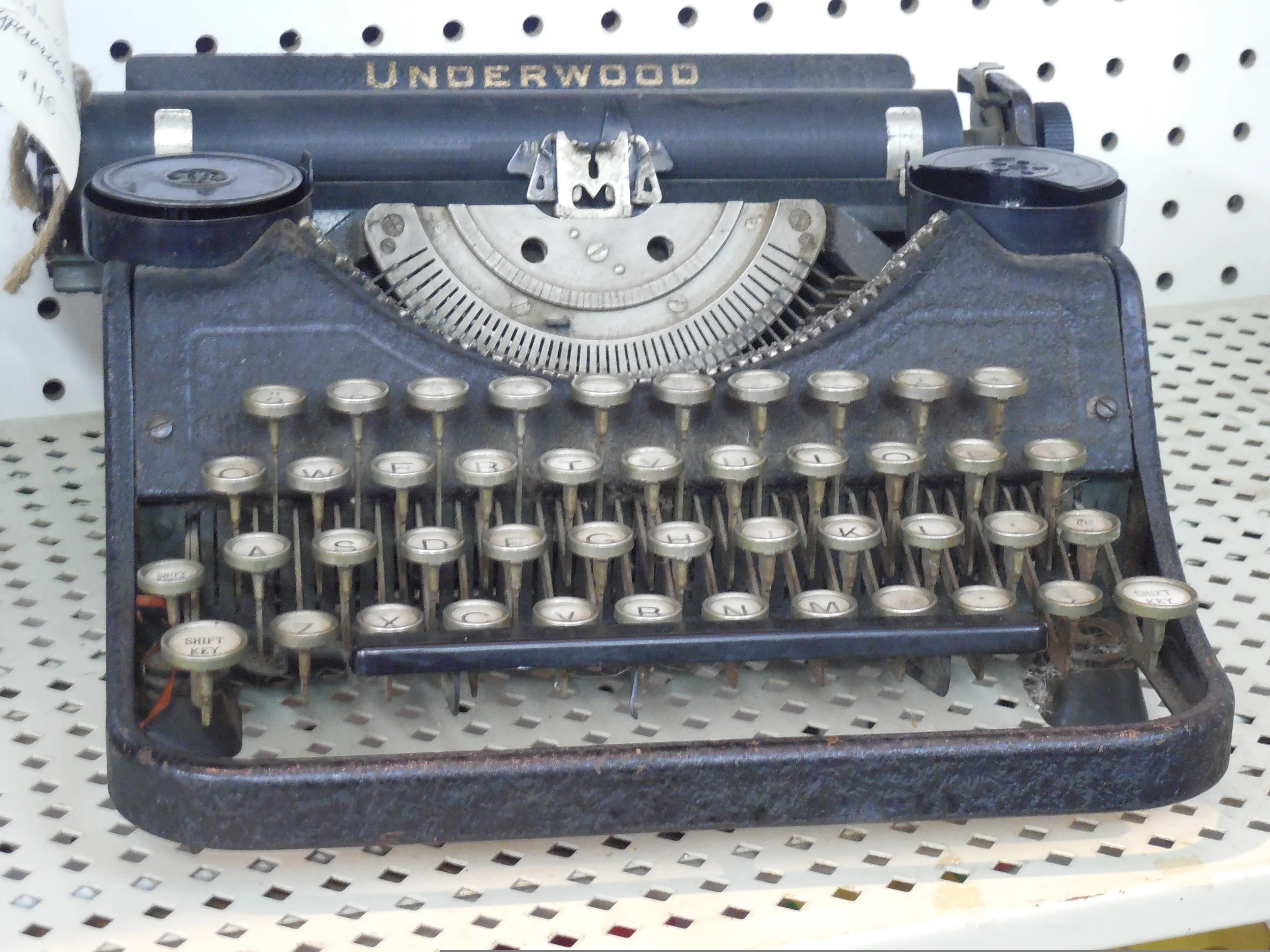
StillWorksImagery at Pixabay
From Manual Typewriters to Cell Phones
in Fifty Years
Don’t get me wrong. Without my e-reader, I’d have been forced to stop reading. The font of print books is too small for these old eyes. And the e-reader offers me storage for the five thousand books I’ve purchased or borrowed over the last seventeen years.
But I have now come to the end of my foray along the technology road. I’m not interested in learning one of the new-fangled writing programs. I struggle to keep up with the changes on my cell phone and dual monitor desktop. Honestly, I’m overwhelmed by what my car does, and what my house (if it were smarter) could do.
And What about AI?
Then there’s the question: of what will happen if we give over human storytelling to AI.
I asked exactly this question of Copilot (Google’s AI feature) and received this answer:
“If storytelling is fully handed over to AI, the result will be a democratized, hyper-personalized, and data-driven narrative landscape but one that risks losing some of the emotional depth and cultural authenticity that human storytellers bring.”
So, here’s my next question. I’m asking you, not AI.. Do you want speed, quantity, and derivativeness combined with machine generated “personalization?”
I don’t. I hope you don’t either.
The “Promote Reading” Call to Action
You’re a reader or you probably wouldn’t be reading this. It’s up to us readers to promote reading. One by one, we can bring it back.
Read to kids. Give books as gifts to kids, yes, but also to adults. Make time to read yourself. Talk about the great book you’re reading, or have read, at work. Offer to lend it to a coworker.
Join a book club or start one. Read every day you can.
If the world gets in the way of reading novels, read a short story or flash fiction. For example, you will find (at no cost) a very short dystopian story I wrote on Hollow Oak Press’ Acorns at Whump-Whump.
If you don’t care for dystopian tales, corn has lovely, no-cost stories. Or go to Archive - Free Flash Fiction for stories of fewer than a thousand words, again at no-cost to you.
Do you remember the Nike exercise catchphrase, JUST DO IT.? Apply that to reading. In my opinion, readers stay more in touch with the world and themselves than non-readers.
Let’s all read.
